TL;DR
- Avoid pressure washing — blasts away protective granules, drives water under shingles (causing rot/leaks), cracks surfaces, and voids warranties. Great for driveways, bad for roofs (including metal).
- Soft washing is best — low-pressure + killing solution (bleach-based or sodium percarbonate) eliminates black streaks/algae/moss at the root. Safer, longer-lasting, rain rinses residue.
- Key benefits — preserves warranty, extends roof life, protects structure, better curb appeal.
- When to do it — visible streaks, 5+ year old roof, shaded/tree-heavy lots, or before selling. Every 3–5 years in East TN.
- Bottom line — Choose professional soft washing to protect your investment. Pressure washing risks costly damage.
You've noticed those stubborn black streaks on your roof. The shingles look discolored, patchy, and just plain unsightly. You're wondering: Is this algae invading my roof? Will it do damage? Should I get it cleaned before it gets worse?
If you live in East Tennessee—Knoxville, Farragut, Maryville, or the surrounding areas—you're not alone. Our humid climate, tall mature trees, and love for lush gardens and outdoor living create the perfect storm for rapid algae, moss, and lichen growth. It shows up most often on the north-facing surfaces that stay damp longer. It doesn't look right and you intend to get it fixed.
So you pick up the phone and call a pressure washing company.
The Problem: Algae and Organic Growth in East Tennessee
In our region, roof algae (often presenting as "black streaks", or if you're weird "Gloeocapsa magma", the latin name for the most common algae) thrives thanks to consistent moisture and shade from our large oaks and maples. Over time, this growth:
- Traps moisture against your shingles
- Can lift and curl edges
- Accelerates granule loss
- Shortens the lifespan of your roof (sometimes by years)
- Makes your entire home look older and less maintained (eww)
A Solution: Pressure Washing (Even on Metal Roofs)
High-pressure washing blasts water at 2,000–4,000+ PSI. That kinetic energy rips algae right off the roof...and everything else that's up there, including the all important granulation, the sand bits, that help protect the shingle and gives it its life, and probably a little of the roof's soul.
That force also:
- Drives water under shingles, causing rot, mold, and delamination
- Forces water through rubber seals, seams, and flashing on metal roofs
- Can crack or tear brittle or aging shingles
- Can force water under rubber seals that secure metal roofs.
Bottom line: Pressure washers are fantastic for driveways, concrete, decks, and siding. They are not for roofs. Don't do it yourself, and don't let anyone else do it to your home.
The Actual Solution: Soft Washing
Soft washing is the safe, effective, and professional way to restore your roof without causing damage.
How soft washing works:
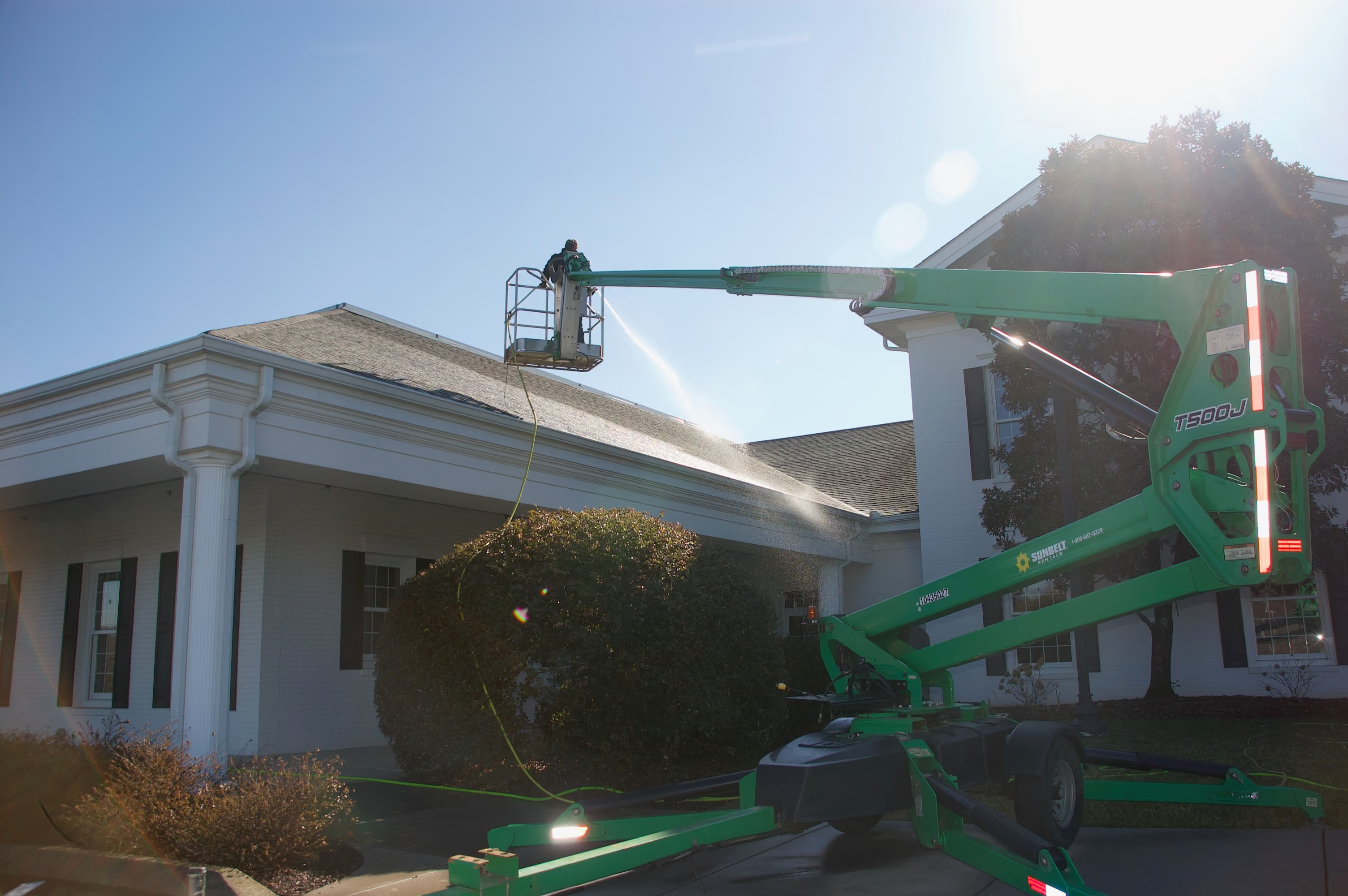
- A low-pressure pump (or very low PSI from a pressure washer) delivers a carefully diluted cleaning solution to the roof surface.
- The solution—typically containing sodium hypochlorite (bleach-based) or gentler alternatives like sodium percarbonate—does the real work by killing the algae, moss, and organic growth at the root.
- No aggressive blasting. The pressure is used only to reach the roof and apply the solution evenly.
- Technicians take care to protect your landscaping, windows, and gutters during application.
- After treatment, rainfall naturally rinses away the dead organics and residual solution, revealing a clean, bright roof.
The result? A dramatically cleaner roof that stays looking good much longer because the roots of the growth have been eliminated.
Benefits of Professional Soft Washing
- Preserves your roof's warranty (many manufacturers specifically prohibit pressure washing)
- Extends roof life by removing damaging moisture-trapping growth
- Much safer for your home's structure
- More thorough and longer-lasting results than just pressure washing
- Can often be combined with gutter cleaning, window washing, or exterior cleaning for better value
Even a simple pump-up garden sprayer can do a decent job on a small roof if you're DIY-inclined—but it’s slow, labor-intensive, and requires proper chemical handling and safety precautions.
When Should You Consider Soft Wash For Your Roof?
- The black or green streaks game is getting strong
- Your roof is 5+ years old and hasn't been treated
- You're preparing to sell your home (curb appeal boost!)
- You're in a shaded, tree-heavy area in East Tennessee
Most roofs in our area benefit from soft washing every 3–5 years depending on conditions.
Protect Your Investment — Choose Soft Washing
Chemical (properly applied), good. High pressure on your roof, bad.
Your roof is one of the biggest investments in your home. Don't risk expensive damage with the wrong method. Choose the right tool for the job: soft washing.
Your roof (and your wallet) will thank you.
About The Author
Andrew Cox, Founder of Cox Exterior Cleaning Co.
Hi! I'm Andrew Cox, a former physical therapist, who got tired of bureaucracy and selling chances, and started Cox Exterior Cleaning Co. to serve Knoxville in a new way - making things beautiful again. I wrote this article fully acknowledging a little click bait, but hoping the humor highlights the importance of only softwashing roofs, and gives Knoxville a pro-tip along with a smirk.